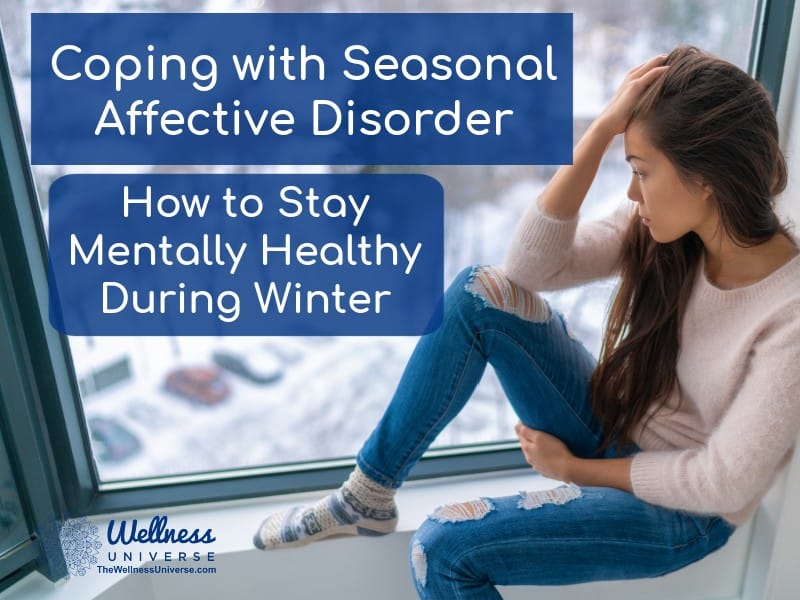
Seasonal Affective Disorder (SAD) is a common form of depression that affects many individuals during the fall and winter months when daylight hours are shorter. This condition can have a significant impact on daily life if left untreated. Here are some important things to know about SAD and how to manage it effectively:
Understanding the Symptoms:
– Persistent feelings of sadness or hopelessness
– Fatigue and low energy levels
– Difficulty concentrating
– Changes in sleep patterns
– Increased cravings for carbohydrates and weight gain
Causes of SAD:
– Reduced sunlight exposure disrupting the body’s internal clock
– Lower serotonin levels affecting mood regulation
– Increased melatonin production leading to fatigue
Practical Tips to Manage SAD:
1. Maximize natural light exposure
2. Stay physically active with exercises like jogging or yoga
3. Maintain a balanced diet rich in omega-3 fatty acids and vitamins
4. Practice mindfulness and stress management techniques
5. Build strong social connections to combat isolation
6. Seek professional help if needed, such as therapy or medication
Long-Term Strategies:
– Plan ahead by using light therapy and mindfulness practices early
– Establish a consistent routine for sleep and meals
– Set achievable goals to maintain motivation
Embracing Winter with a Positive Mindset:
– Implementing these strategies can help individuals combat SAD effectively
– Winter doesn’t have to feel isolating or overwhelming with the right tools and support
By understanding the symptoms, causes, and practical tips for managing SAD, individuals can navigate the winter months with a positive outlook and maintain their mental well-being. Remember, seeking help from a mental health professional is always an option for those struggling with SAD.